How Sustainable Galápagos Cruises Protect the Enchanted Isles for Future Travelers
For decades, the Galapagos Islands have drawn travelers who want to see evolution in action. Charles Darwin made these islands famous, but the real draw today is the chance to walk among giant tortoises, snorkel with sea lions, and watch blue-footed boobies perform their courtship dance. The challenge is how to experience that without damaging the very places you came to see. That is where sustainable galápagos cruises come into the picture. They are not just about comfort or luxury. They are about keeping the archipelago as pristine as it was when Darwin first set foot on its shores.
Why Sustainability Matters in the Galapagos
The Galapagos Islands are a unesco world heritage site for good reason. Their isolation produced species found nowhere else on earth. The marine reserve around them is one of the largest and most biologically rich in the world. But that same isolation makes the ecosystem fragile. A single invasive species, a fuel spill, or even too much waste from tourist boats can cause damage that takes decades to reverse. The local government and the national park service have set strict limits on how many visitors can enter, which sites they can visit, and what they can do there. Sustainable tourism is not optional here. It is the only way the islands can remain open to visitors at all.
This is where the idea of sustainable galápagos cruises becomes practical. A well-run cruise can actually lower the environmental footprint compared to staying in hotels on the islands. Hotels require energy for air conditioning, water for laundry and showers, and transport for supplies. A ship, especially one designed for efficiency, consolidates those needs in one place and can treat its own waste, desalinate its own water, and use engines that meet strict emission standards. When done right, a cruise can be the greener choice.
What Makes a Cruise Truly Sustainable
Sustainability in the Galapagos is not a single feature. It is a combination of design, operations, and behavior. The first thing to look at is the vessel itself. An eco-friendly yacht will typically have a hull and propulsion system that minimize fuel consumption. Some yachts use hybrid engines or advanced propellers that reduce drag and noise. Noise is a bigger issue than most people realize. Underwater noise from engines can disorient whales, dolphins, and sea turtles. Quieter ships mean less disturbance to marine life.
Waste management is another key factor. All wastewater on board should be treated before discharge, and solid waste should be compacted and taken back to the mainland for proper disposal. Single-use plastics are a major problem in the Galapagos. The best cruises have eliminated them entirely, using refillable water bottles, glass containers, and biodegradable toiletries. Some even offer carbon offsetting programs so that guests can compensate for the emissions generated by their flights to Ecuador.

Itinerary planning also plays a role. A responsible cruise does not just chase the most Instagrammable spots. It rotates visits among approved sites to prevent any one location from being overused. The guides, known as expert naturalists, are certified by the national park and trained to lead groups in ways that keep wildlife undisturbed. They know how close you can get to a galapagos penguin without making it nervous, and they enforce those rules firmly. That may feel restrictive at times, but it is what keeps the animals behaving naturally.
The Experience Aboard a Responsible Cruise
A luxury cruise in the Galapagos does not have to mean sacrificing sustainability. In fact, the two often go hand in hand. Smaller yachts, like the 16-passenger natural paradise, can access coves and landing sites that larger ships cannot. That means fewer people on the trail, less noise on the beach, and a more intimate experience with the environment. The cabins are comfortable, the food is prepared fresh, and the crew knows the waters well. But the real luxury is the access to remote parts of the archipelago that feel untouched.
Snorkeling gear is provided for daily excursions, and the water is full of life. At kicker rock, you can drift past schools of hammerhead sharks and sea turtles in crystal clear water. Around bartolome island, the currents bring in rays and playful sea lions. For those who want to go deeper, some cruises offer scuba diving excursions to sites that are off-limits to day boats. The marine reserve around the islands is a protected area, but diving is allowed under strict permits, and the guides make sure no one touches the coral or chases the animals.
The naturalists on board are not just guides. They are biologists, ecologists, and educators who have spent years studying the islands. They can explain why the blue-footed booby has those bright feet, why the giant tortoise shells vary from island to island, and how the galapagos penguin survives near the equator. Their knowledge turns a simple walk into a lesson in evolution. Sylvia earle, the oceanographer, once called the Galapagos "a window into the past." These naturalists help you see that window clearly.

How to Choose a Cruise That Walks the Talk
Not every cruise that calls itself sustainable really is. Some use the label loosely. When you are researching options, a few details can help you tell the difference. Check whether the yacht holds a smart voyager certification or a similar accreditation from the galapagos national park directorate. That certification requires vessels to meet standards for waste reduction, fuel efficiency, crew training, and community engagement. It is one of the few third-party validations that actually means something in the islands.
Ask about the ship's water and waste systems. A vessel that treats its own wastewater and produces its own fresh water through reverse osmosis is already ahead of one that relies on shore-side services. Also ask about the food. Does the kitchen source ingredients locally when possible? Importing everything from the mainland increases the carbon footprint. Local sourcing supports the economy of the islands and reduces transport emissions.
Another good sign is a clear policy on wildlife interaction. The guides should keep a safe distance from nests, resting animals, and feeding grounds. If a cruise advertises the chance to swim with dolphins or touch sea lions, that is a red flag. Responsible operators know that the animals need space. They also know that the best photos come from patience, not from chasing.
The Bigger Picture of Sustainable Travel
Sustainable galápagos cruises are part of a larger movement toward responsible travel worldwide. But the Galapagos are a special case because of their ecological importance and their vulnerability. The islands are often called the enchanted isles for a reason. They have a way of changing how you see the natural world. To keep them enchanted, every visitor has a responsibility. Choosing a cruise that prioritizes sustainability is one of the most effective ways to fulfill that responsibility without giving up comfort or adventure.
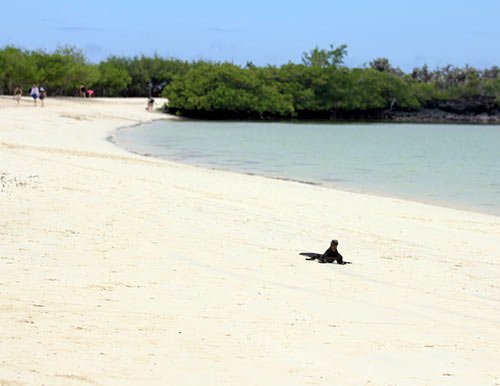
The future of the Galapagos depends on the choices travelers make today. The marine reserve needs protection from overfishing and pollution. The islands need visitors who respect the rules and support the local economy. And the wildlife needs space to live as it always has. A well-planned cruise can deliver all of that. It can give you the trip of a lifetime while leaving the islands exactly as you found them. That is the real value of traveling with intention.